


Not all Cat Videos are Funny

Roaming Cats: It’s Not all Fun and Games.

roaming cats

Shocking Statistics

Almost 1 in 4 cat owners have at some point owned a cat who just never came home.
Less than 10% of lost cats are reunited with their owners.
Less than 3 in 10 cats that are hit by a car will survive their injuries.
2 in 3 Australian cat care givers have lost a cat to a roaming-related accident, half of these involved being hit by a car.

Did You Know?

Trauma is the leading cause of death for cats, often when their roaming cats. But it is possible to change this shocking reality and keep our beloved companions safe.

“Cats kept safe at home live on average 15 years, compared to 4.5 years for cats who are allowed to roam.”

The Cost of Roaming

FIV Infections

Spread through cat fights, infection rates are high in cats who roam, with up to 15% of pet cats with outdoor access infected.

Snake Bites

Australia is home to more than 90 species of venomous snakes. Treatment for snake bites can cost thousands of dollars and often requires specialist care.

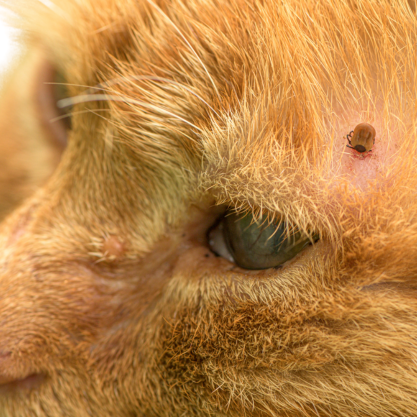
Paralysis Ticks

Can be deadly and can be very expensive to treat.

Skin Cancer

Chronic exposure to UV light is the primary cause of squamous cell carcinomas in cats, especially those with white fur.

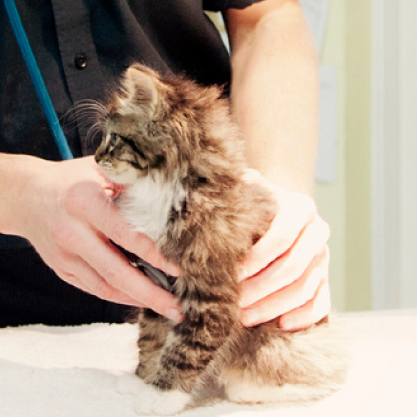
Veterinary Visits

The two most common reasons that cats visit the vet in Australia – wounds and abscesses – are primarily due to roaming-related injuries.

Learn how you can keep your cat safe at home.

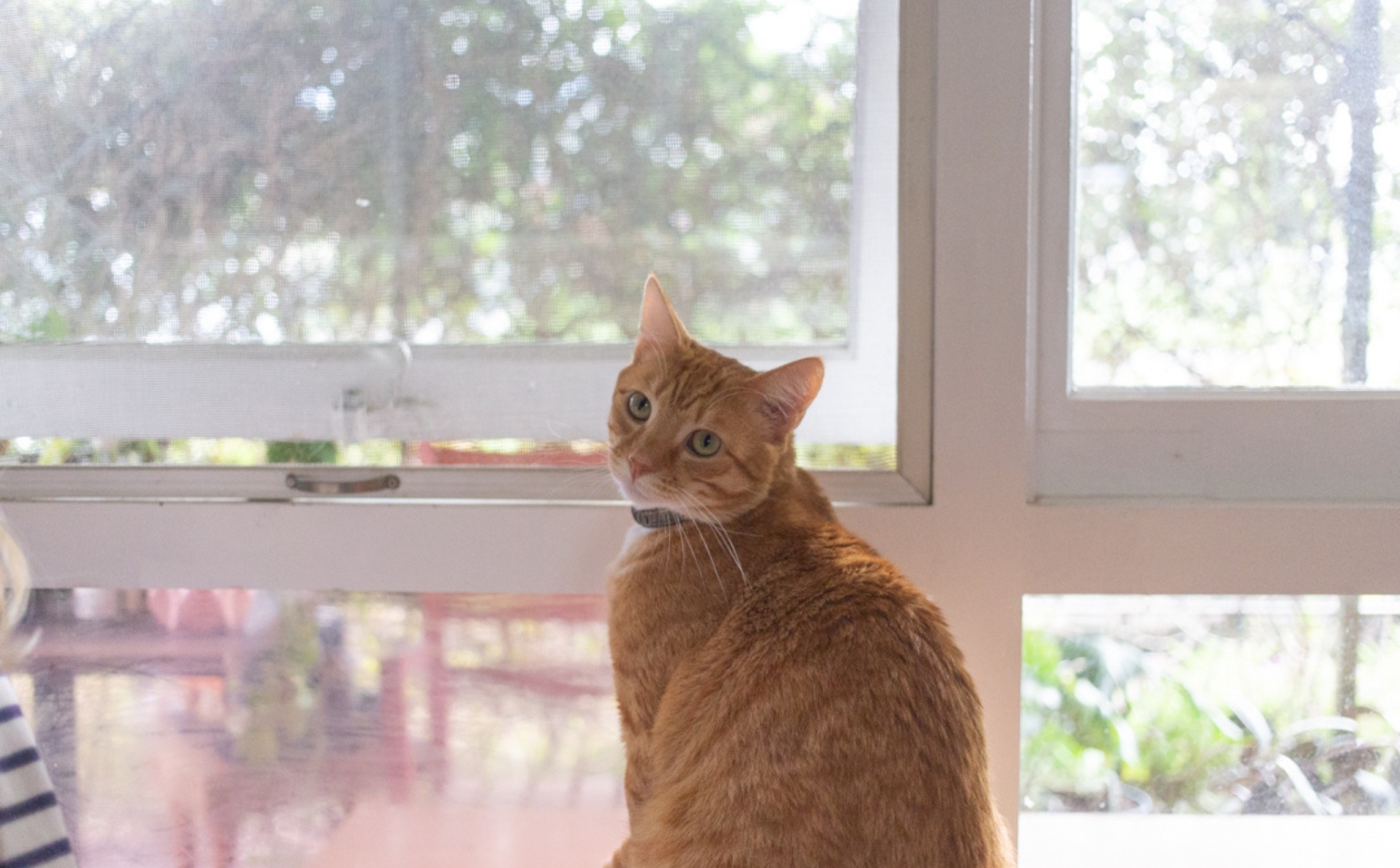
Do you and your cat share a cottage, caravan, apartment, share-house, duplex, house, or farm? No matter what your situation, there are many different practical and affordable options to keep your cat safe at home.

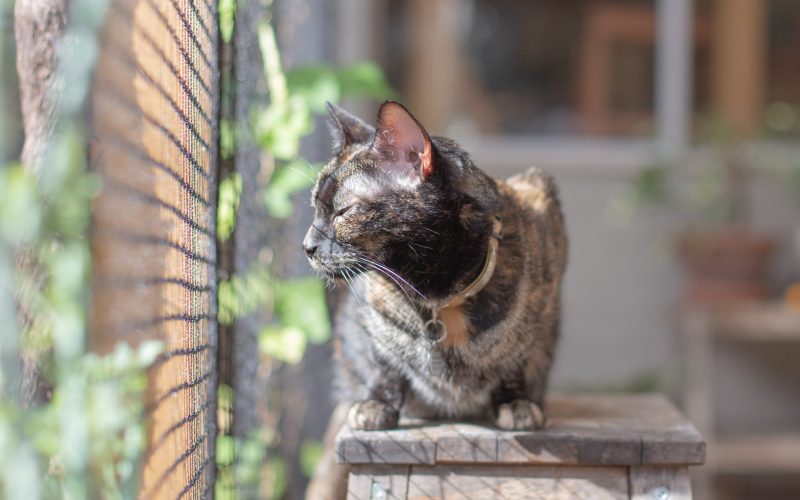
The three main types of cat containment are: exclusively indoors, indoors with an outdoor enclosure, or indoors with an outdoor space surrounded by an escape-proof fence.
Cropped KCSAH-print-6498

Explore more resources to keep your cat safe, healthy, and happy at home.

Frequently Asked Questions

Why is roaming so dangerous for cats?

Roaming exposes cats to multiple threats, including: 

  • Traffic accidents, which are a major contributor to roaming‑related deaths. 
  • Injuries from fights with other animals. 
  • Disease transmission from unowned or feral cats. 
  • Becoming lost or stolen. 

RSPCA NSW’s project data shows that two in three cat owners have lost a pet to a roaming‑related accident, with around one‑third of these involving cars—a powerful reminder of why containment matters. 

Roaming cats threaten the survival of many native species. Estimates show cats hunt close to two billion native mammals, birds, and reptiles in Australia each year, making free‑roaming one of the most significant human‑linked pressures on wildlife. RSPCA NSW includes wildlife protection as a core part of the Keeping Cats Safe At Home project. 

Cats can successfully transition from roaming to a safe‑at‑home lifestyle with patience and enrichment. Steps include gradually increasing indoor time, offering engaging toys, creating vertical spaces, and introducing secure outdoor enclosures. These steps are part of the project’s guidance to help cats adjust comfortably and confidently.